Introduction
Playgrounds are lively spaces where children discover, play, and develop necessary social skills. Nevertheless, they can also be hotspots for accidents and injuries. Recognizing how to effectively get ready for and react to play area accidents is crucial for teachers, parents, and caretakers alike. This post dives deep into the numerous facets of play area security, from recognizing usual threats to effective emergency treatment responses.
Playground Incidents: Exactly how to Prepare and Respond Effectively
When you think about playgrounds, you may visualize giggling, delight, and care free fun. But hiding underneath the surface is the reality that crashes occur-- sometimes when least anticipated. Whether it's a small scrape or a more significant occurrence, understanding exactly how to deal with these circumstances is vital.
Understanding Playground Safety Hazards
Common Playground Hazards
Before we explore emergency treatment protocols, it's important to identify typical threats present in play area setups. These consist of:
- Equipment Failures: Ropes tearing, swings breaking, or slides with sharp edges. Surface Material: Hard surfaces like concrete can bring about extreme injuries if a child falls. Environmental Factors: Weather conditions such as rainfall can make surfaces slippery.
Childcare Security Threats Australia
In Australia, particular policies exist relating to childcare security risks that have to be complied with. Recognizing these policies aids in mitigating risk elements effectively.
HLTAID012 Accreditation Australia
What is HLTAID012?
HLTAID012 describes the program certification required for individuals providing first aid in instructional settings. This comprehensive training covers various circumstances that might occur in a childcare environment.
Importance of HLTAID012 Certification
Having staff members who hold an HLTAID012 certification guarantees that immediate action responsibilities are met confidence and proficiency throughout emergencies.
Building Instructor Confidence
Training Demands for Educators
It's critical that educators go through regular training sessions on topics such as child defibrillation guidance and handling minor injuries. On a regular basis upgrading their skills encourages them to act confidently First Aid Course Caboolture throughout emergencies.
Practical vs Composed Components
How often should useful training happen versus created evaluations? Striking an equilibrium guarantees personnel not only recognize the concept however can use it almost when necessary.
First Aid Basics for Playgrounds
Childcare Centre First Aid Set Australia
Every childcare centre need to have a well-stocked first aid kit customized specifically for youngsters's demands. Things should include:
- Adhesive bandages Antiseptic wipes Ice packs EpiPen (for severe allergies)
First Aid Essentials for Moms And Dads Australia
Parents ought to likewise familiarize themselves with standard first aid strategies. Recognizing how to manage choking prevention or acknowledging bronchial asthma signs can save lives.
Choking Prevention Techniques
Understanding choking avoidance is vital in any setting where youngsters play. Some typical choking threats consist of:
- Small toys Food things like grapes or nuts Balloons
Teaching kids concerning safe eating practices and guidance can help avoid these incidents.
Epipen Administration
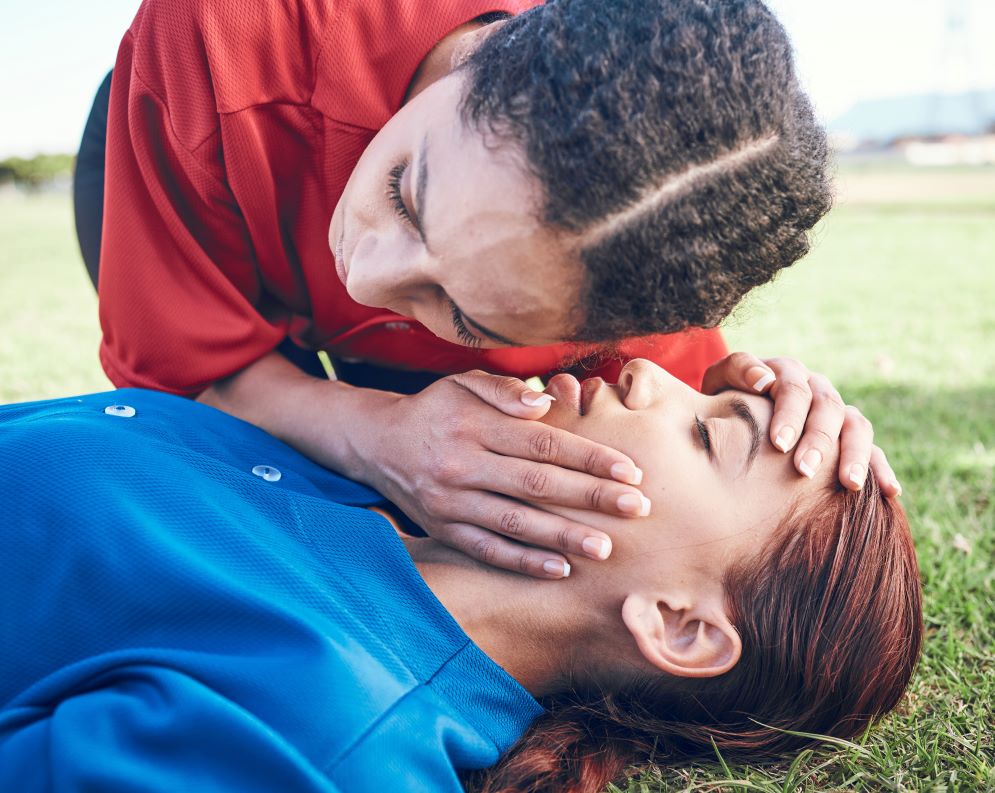
For youngsters with known allergic reactions, understanding exactly how to carry out an EpiPen is vital. This includes:
Managing Minor Wounds
Minor scrapes and cuts are typical on play grounds. Below's exactly how to manage them successfully:
Clean the injury carefully utilizing soap and water. Apply disinfectant ointment. Cover with a clean and sterile bandage. Monitor for indicators of infection over time.Proper Hand Hygiene Practices
Maintaining appropriate hand health amongst children is important after any type of injury or before consuming snacks at the playground.
- Teach children the significance of washing hands. Use anti-bacterial wipes when soap and water aren't available.
Recognising Asthma Signs and symptoms in Children
Asthma attacks can occur all of a sudden throughout exercise such as using the swings or associating friends.
Signs might consist of:
- Coughing Wheezing Difficulty breathing
Educators should recognize exactly how to respond by utilizing inhalers as required and speaking to emergency situation solutions if signs worsen.
Incident Coverage Protocols
Accurate documentation following any type of accident is important in instructional setups:
Record details instantly after an incident occurs. Include names of witnesses. Describe what took place leading up to the incident clearly. Submit reports according to established guidelines within your institution.Immediate Response Obligations Throughout Emergencies
In case of an emergency circumstance on a play area:
Ensure safety by relocating various other youngsters away from harm. Assess injury severity promptly-- does it need expert clinical attention? Comfort the hurt child while awaiting additional assistance or rescue arrival.Renewal Timelines for Emergency treatment Certifications
Keeping accreditations updated is crucial; for that reason:

- HLTAID012 qualifications typically call for renewal every three years.
Regular training refreshers help maintain understanding retention amongst instructors relating to youth emergencies.
Baby mouth-to-mouth resuscitation Australia Guidelines
Babies may encounter different emergencies compared to older kids; therefore knowing infant mouth-to-mouth resuscitation methods is crucial:
Place infant on a firm level surface. Begin upper body compressions at a rate of 100-- 120 per minute at a deepness of around 4 centimeters (1 1/2 inches). Always call an ambulance before beginning CPR if possible!Toddler First Aid Basics Australia
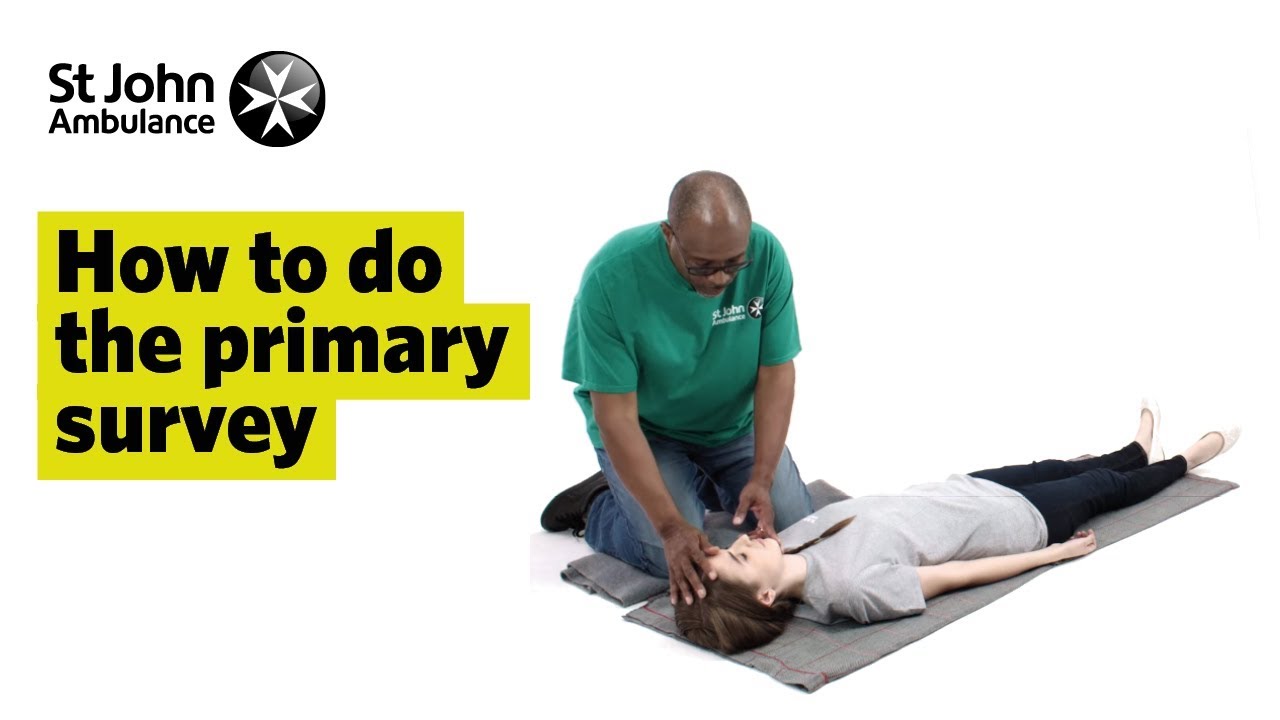
Toddler-specific factors to consider consist of identifying poisonous substances or choking risks unique to their developmental phase:
- Remind moms and dads concerning maintaining small items out of reach.
Additionally, enlighten caregivers on identifying very early signs of ailment like high temperature which can escalate right into something requiring immediate attention.
FAQ Section
1) What are some typical play ground mishaps?
Common playground problems can vary from small scrapes because of falls off devices, coming to be wedged between structures, allergies from outside irritants-- all possible cases need taking care of promptly!
2) How frequently should first aid sets be checked?
First help kits should be checked monthly; expired items should be replaced quickly so they're ready cpr sunshine coast when required most!
3) Why is it vital for child care personnel to have first aid training?
First-aid-trained staff supply peace of mind not just with their expertise yet likewise since they're geared up with skills essential throughout emergency situations ensuring children's safety continues to be vital throughout activities undertaken!
4) What steps should I take if my kid has an asthma attack?
If your child shows signs of an asthma assault, ensure they sit upright calmly while utilizing their inhaler as recommended-- call emergency solutions if signs and symptoms remain uncontrolled!
5) Exist certain regulations regulating play area safety and security standards?
Yes! Each region has standards laying out needs relevant specifically in the direction of preserving safe atmospheres within education and learning systems and leisure parks alike-- these differ extensively based upon area so examining regional authorities' provisions will certainly generate understanding accordingly!
6) What does correct hand hygiene involve in child care settings?
Proper hand hygiene includes cleaning hands completely under running water with soap for at the very least 20 seconds post any injury/after snack time-- making use of alcohol-based sanitizers when soap isn't obtainable also helps reduce threat elements associated towards transmissible illness spreading out amongst groups easily!
Conclusion
Playground mishaps are unpreventable yet workable with appropriate preparation and appropriate responses in position! By gearing up educators-- and moms and dads-- with knowledge bordering first-aid procedures along with identifying prospective threats ahead-of-time creates more secure environments favorable towards finding out through play! Being proactive rather than reactive sets up future generations' success while nurturing interest bordering child self-reliance without compromising health and wellness requirements valued today!